The UK's seller-identity gap: a Brexit blind spot in Online Marketplace Rules

Here's a regulatory gap that doesn't get enough attention.
Article 30 of the EU's Digital Services Act requires online marketplaces to collect and verify the identity of traders selling on their platforms, and to display their details clearly to consumers. It's a meaningful obligation: verify first, then let them trade.
The UK never got this. The DSA was adopted after Brexit, so it was never transposed into UK law. Instead, we're still relying on the Electronic Commerce (EC Directive) Regulations 2002, which require certain trader information to be provided, but don't specify where on a site it has to appear, don't mandate any format, and impose no verification duty on the marketplace at all. In practice, that information is often difficult to find, and nothing stops it being fabricated in the first place.
This isn't a technicality. It's part of why RAVAS keeps finding sellers operating behind vague or false identities, disaggregating across multiple accounts, and misusing "private seller" status to avoid tax and consumer protection obligations, and all while the platforms hosting them face no real obligation to check who they actually are.
If the Government is serious about tackling non-compliance in online marketplaces then closing this gap and bringing UK seller-identity requirements up to at least the standard the EU now applies, has to be part of the conversation. Whatever your views on Brexit, leaving the EU didn't just change our trading relationships, it left UK consumers and compliant sellers with weaker protection than their EU counterparts.
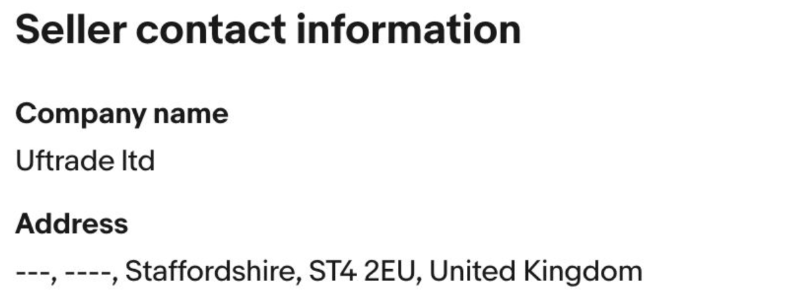
So as a result this is the kind of ---lox you see on eBay


Comments